Pronto Pizza
Faster and more convenient
in the application
in the application

 Korean cuisine is a harmonious blend of flavor, culture, and centuries-old traditions. It fascinates with its unique balance of spiciness, sweetness, and saltiness, creating dishes that leave unforgettable impressions. Today, we’ll dive into the world of Korean food, explore local cooking traditions, and discover many interesting facts.
Korean dishes are often spicy and quite piquant. Koreans strive to balance heat, saltiness, sweetness, and bitterness in their food. They are particularly fond of fermented ingredients, such as kimchi and soybean paste.
Health benefits play an important role for Koreans. They eat plenty of vegetables and rarely consume overly fatty dishes. The mastery of Korean chefs lies in their skillful use of spices (garlic, red pepper, etc.), which gives many dishes a rich, balanced, and unusual taste. As for cheese, Koreans mainly consume only soybean cheese — tofu.
Korean cuisine has much in common with Chinese and Japanese. Koreans eat a lot of seafood and fish and also use pork. Bread, however, is not typical. As in other Asian cuisines, rice takes its place instead.
Every Korean meal is accompanied by a set of banchan — small side dishes that add variety and depth to the flavors.
In Korea, there is a clear order for serving dishes. Food is divided into main and side dishes. Meals are served in many small bowls. Each person is given an individual bowl of rice and soup, while the main dishes are placed in the center of the table. Koreans eat with chopsticks, as in most Asian countries, but a spoon is also served with the meal — mainly for soup. Soups in Korea can be cooked both on meat and fish broth.
There are also specific rules of behavior at the table:
Rice is the foundation of Korean cuisine. It is served as a side dish with most meals and used to prepare kimbap, rice cakes (tteokbokki), and soups. The most common type is short-grain glutinous rice, which has a soft texture and holds its shape well.
Korean cuisine is rich in soy-based dishes, as soy is an integral part of traditional recipes:
Korean cuisine is known for its sweet-and-spicy flavors, which give dishes their distinctive character. The main flavor bases are:
Fresh, pickled, and cooked vegetables make up a large part of Korean meals:
Meat and fish ingredients give Korean dishes richness and depth of flavor:
Korean cuisine is also famous for its fragrant spices:
And now, let’s talk about the traditional Korean dishes you absolutely should try.
This is a Chinese-Korean noodle dish served with a thick black bean paste sauce. Pieces of beef or pork are added and mixed with vegetables. The result is a rich dish with a savory, slightly sweet flavor.
This is Korean-style barbecue. Meat (usually beef or pork) is grilled over an open flame right at the table. The meat is marinated in advance.
Banchan are traditional side dishes served together with the main course. They may include kimchi, fermented soybeans, pickled vegetables, seaweed, and other delicacies. Each banchan adds its own flavor accents to the meal.
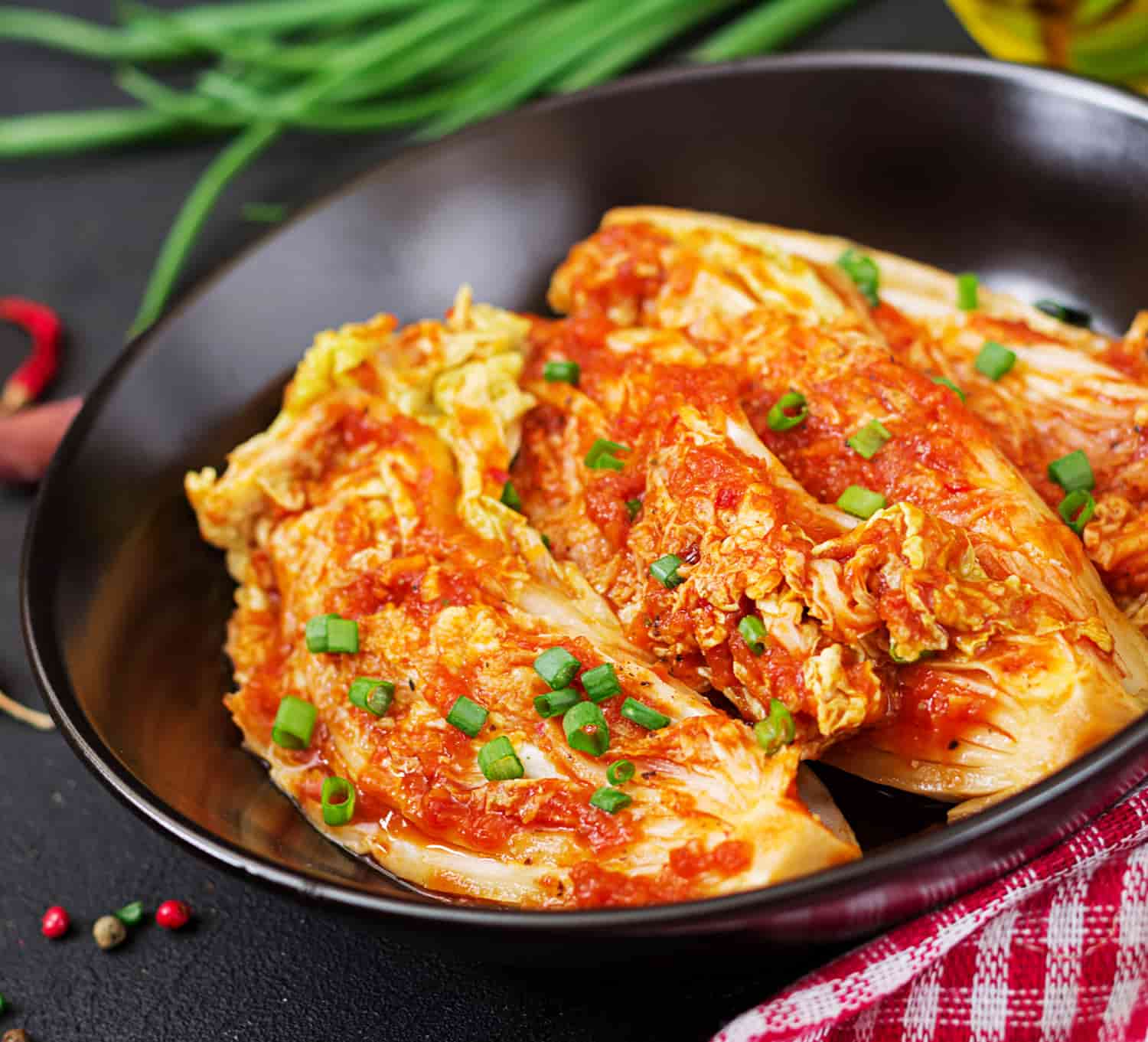
Kimchi is the heart of Korean cuisine. It consists of fermented vegetables, most commonly napa cabbage or radish, marinated with chili pepper, garlic, ginger, and anchovy paste. Thanks to fermentation, kimchi is rich in probiotics that support digestion and immunity. It is served with nearly every meal in Korea.
Bibimbap literally means “mixed rice”. It is a dish made of steamed rice topped with vegetables, egg, and meat, often served with gochujang (spicy chili paste). Everything is mixed together just before eating, creating a symphony of flavors and textures.
Bulgogi is marinated beef or pork grilled to perfection and one of the most popular Korean dishes. The meat is marinated in soy sauce, garlic, ginger, and sugar, which gives it a sweet-savory flavor. Bulgogi is often served with lettuce leaves to wrap the meat together with rice and sauces.
Hwe is the Korean version of sashimi with its own unique twist. It’s usually served with sauces like gochujang or soy sauce mixed with garlic and sesame oil.
This spicy stew is made with soft tofu, seafood or meat, and various vegetables. It is often served still boiling in a hot stone bowl, adding to the authentic feel of the dish.
Korean street food is a true celebration of flavors, aromas, and textures. Walking through the streets of Seoul or any other Korean city, you can immerse yourself in a vibrant food scene where every stall offers something special. From simple snacks to hearty meals, Korean street food can impress even the most experienced foodies.
Street markets in Korea, such as Myeongdong or Gwangjang in Seoul, are cultural hubs where you can feel the true spirit of the country. It’s always lively there: the smell of delicious food mixes with the aroma of spices, and vendors are happy to tell you about their specialties.
This spicy dish is one of the symbols of Korean street food. Soft rice cakes are simmered in a thick hot-sweet gochujang sauce. Tteokbokki is often served with eggs, fish cakes, or vegetables, making the dish even more filling.
Often called Korean “rolls”. Kimbap consists of rice rolled in seaweed sheets and filled with various ingredients: vegetables, meat, eggs, or fish. Seafood is used less often. It’s a convenient, tasty, and nutritious dish that’s easy to take on the go.
This is a small bread roll with a baked egg in the center. It has a tender texture and a mildly salty taste. Egg bread is perfect for a quick breakfast or snack.
Now you know a bit more about Korean cuisine. Enjoy its unique flavors and keep discovering new tastes!
With care for you, the Pronto team.

Free pizzas and rolls — search in our Telegram 🔍


